What’s up TriOneness tribe? 🌟
I am so incredibly pumped that you’re here. Seriously, if you’re reading this, it means you’re ready to stop settling for “fine” and start chasing a life that is absolutely indestructible. I’ve been obsessed — and I mean totally obsessed — with human potential for years. My “why” is simple: I refuse to accept the narrative that getting older means getting weaker or slower. I’ve seen too many people lose their spark because they followed a “mainstream” system that’s more interested in managing symptoms than unleashing your wildest potential.
We are on a mission here at TriOneness to help you find that perfect mind-body-spirit balance. Today, we are diving deep into one of the most studied, most effective, and yet most misunderstood tools in our wellness toolkit: Creatine.
Forget everything you think you know about bulky bodybuilders in sweaty gyms. Creatine is one of the most-researched longevity-adjacent compounds out there — supportive for muscle, brain, and recovery — and it has earned its place in a holistic wellness routine. Are you ready to become a light that shines like a million stars? Let’s get into it. 💪😎
The Brain-Fuel Conversation: Beyond the Muscle
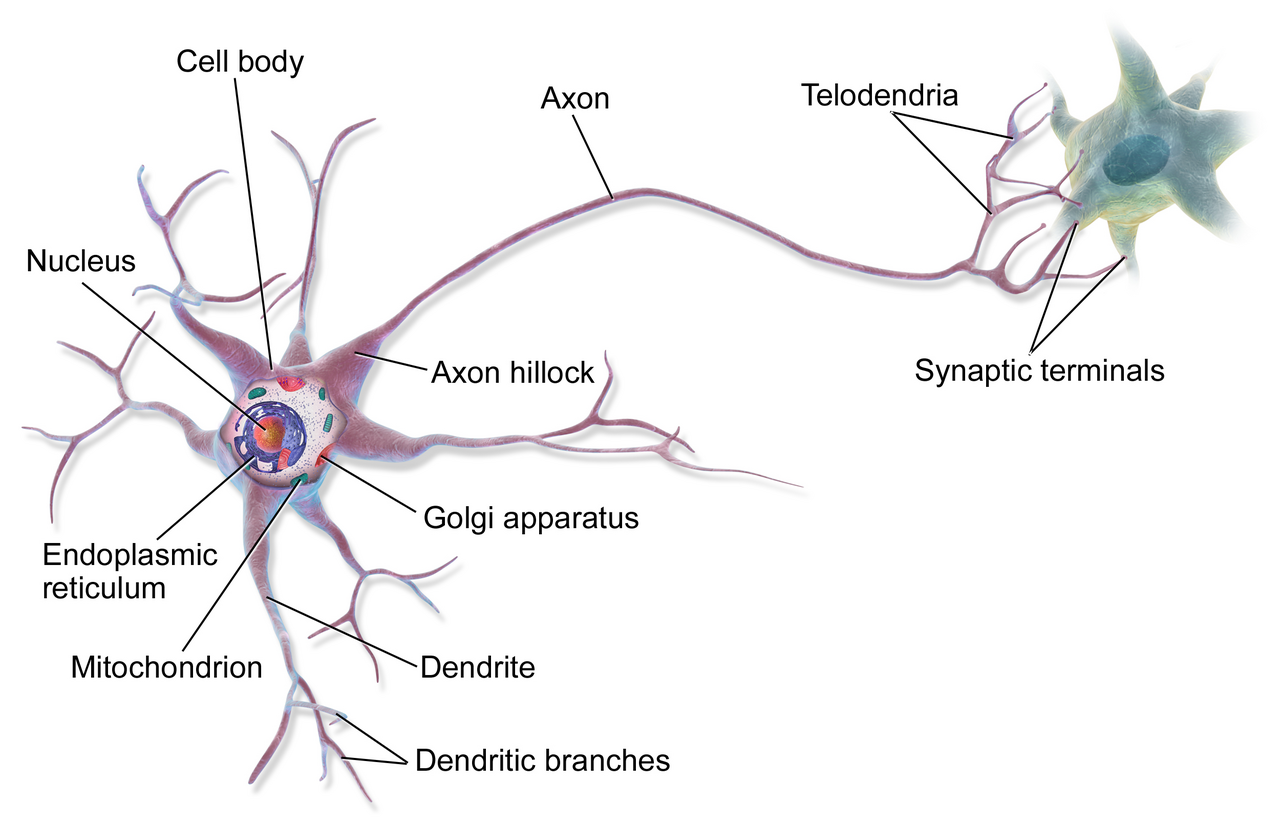
Most people think creatine is just for “gains.” But here’s something the casual reader may not have heard: your brain is an energy-hungry beast. It consumes about 20% of your body’s total energy. Creatine plays a role in replenishing ATP (adenosine triphosphate) — the fundamental energy currency of every cell in your body. 🧠⚡️
Voices in the longevity space who have publicly discussed creatine for brain energy and mitochondrial function include Dr. Rhonda Patrick, performance coach Ben Greenfield, and biohacking pioneer Dave Asprey. None of this is medical guidance from us — just a note that a growing community of practitioners is paying close attention to creatine for cognitive support as well as muscular support.
The “Sleep Debt” Conversation 💤
We’ve all been there. A late-night project, a crying baby, a “mind-gone-wild” night, and you wake up feeling like a zombie. Some research has explored whether a single dose of creatine may help with cognitive performance under sleep deprivation — things like working memory, reaction time, and decision-making. The science is still maturing and individual results vary.
Does it replace sleep? Absolutely not. Nothing replaces the healing power of a deep, restful night. But in a world that demands our all, creatine is one tool worth knowing about. 🛡️
Choosing Quality Creatine
When it comes to what goes in your body, quality matters. Look for creatine monohydrate from a manufacturer that publishes third-party purity testing, uses transparent ingredient sourcing, and lists contact information for their facility. Avoid blends with unnecessary fillers, artificial dyes, or proprietary “matrix” labels that hide what’s actually inside.
A common starting dose discussed in the literature is around 3 to 5 grams per day, though appropriate dosing for any individual is something to discuss with a qualified healthcare provider.
Methylene Blue: An Important Caveat 🚨
You may have heard methylene blue mentioned in the biohacking world for mitochondrial-related discussions. Here is the part most online content leaves out:
In Canada, methylene blue is a prescription medication regulated by Health Canada. It is not a dietary supplement. It carries genuine pharmacological risks, including the potential for serotonin syndrome when combined with certain antidepressants (SSRIs/SNRIs/MAOIs) and other interactions that can be serious. TriOneness does not recommend that anyone source or self-administer methylene blue. If a healthcare provider is exploring it within a clinical context, that conversation belongs in your provider’s office — not on the internet.
We mention it here only because the wider biohacking conversation references it, and we believe in transparency about what’s safe to play with at home and what is not. Creatine, for example, is widely available as a dietary supplement and has decades of safety data. Methylene blue is a different category of compound entirely.
The Trio-Stack Mindset
At TriOneness, we don’t just “hack” — we look for synergy across mind, body, and spirit. A simple, safe foundation might look like:
- Creatine monohydrate — a widely-studied baseline for ATP support.
- Movement that protects your joints — whether that’s blood flow restriction (BFR / KAATSU-style) training, resistance bands, walking, or gentle strength work. The point is consistency and longevity, not destruction.
- Restful sleep and stress practices — because the best supplement in the world cannot out-perform chronic under-recovery.
That’s the kind of stack you can build without prescriptions, without risk, and without breaking the bank.
Connecting to Your Ikigai and Holistic Balance
Wellness isn’t just about pills and gadgets — it’s about finding your Ikigai, your reason for jumping out of bed in the morning. 🌅
If you are tired, foggy, and weak, it’s hard to show up for your mission. Smart fueling, movement, and recovery clear the path for the deeper work — personal growth, relationships, creativity, and contribution.
Why Some People Favor Cyclical Keto Over Strict Keto Forever
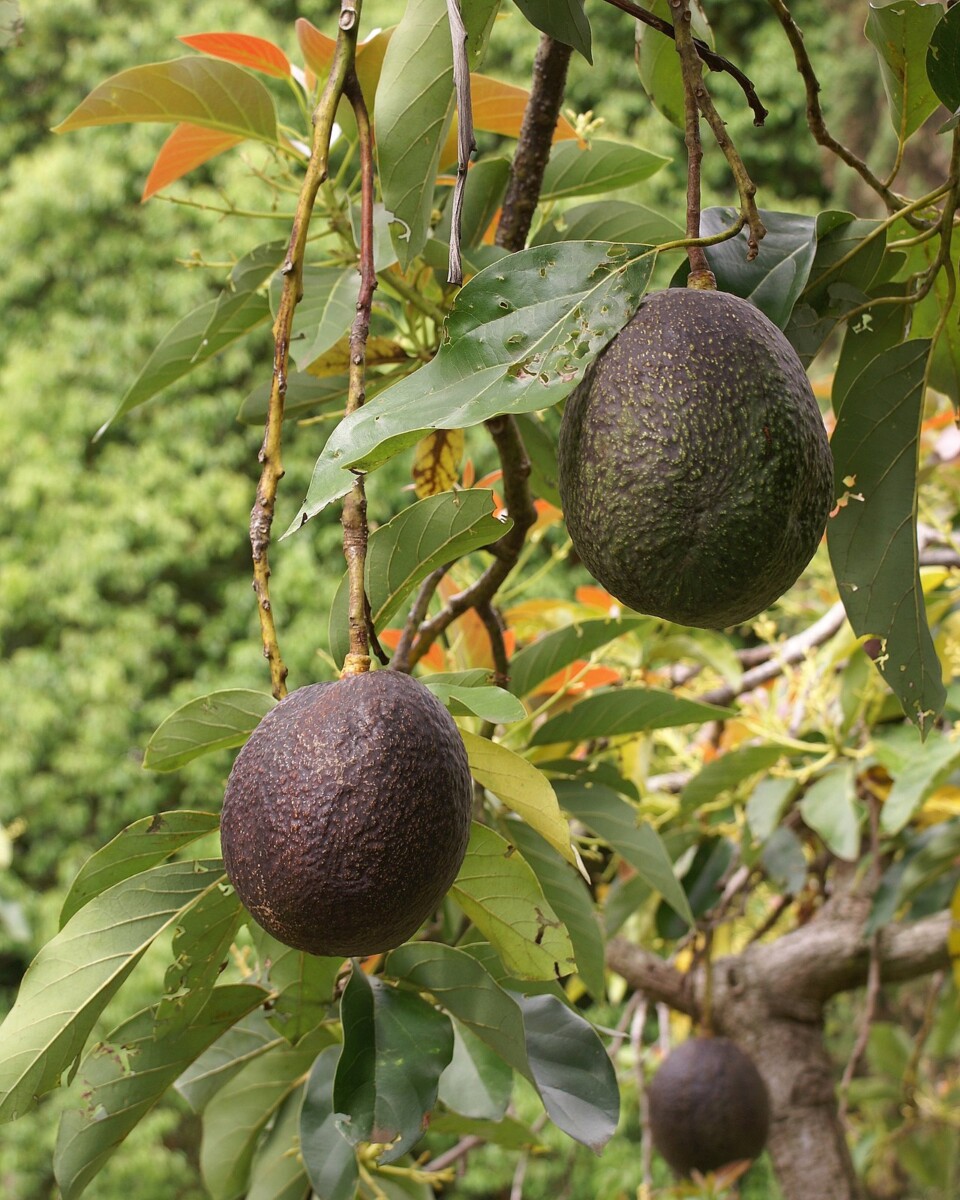
Let’s get real. A clean keto-style diet can be a powerful launchpad for fat adaptation, stable energy, and better appetite control for many people. But staying in strict keto indefinitely is not automatically the most optimal move for everyone, every season, or every training goal. Your body is adaptive. It is built for metabolic flexibility — the ability to burn both fat and glucose efficiently depending on the situation. 😎
This is part of why some practitioners explore cyclical keto — periods of low-carb eating combined with targeted carbohydrate refeeding. Voices like Dave Asprey, Ben Greenfield, and Dr. Rhonda Patrick have discussed the importance of strategic carbohydrate timing, glycogen status, and metabolic health from different angles.
The body can make its own glucose through gluconeogenesis, meaning even on low-carb days the liver can create glucose from amino acids, lactate, and glycerol to support essential functions. That’s amazing — and it also means perpetual ultra-strict keto isn’t automatically “better.” For many active people, cycling carbs may support thyroid function, sleep quality, workout output, glycogen replenishment, and long-term adherence while still preserving many keto-adjacent benefits.
A Simple Carb-Timing Framework
- Carb backloading at night. Eat your carbs in the evening, ideally after a day of lower-carb eating. This may help direct nutrients toward recovery and glycogen replenishment.
- Post-workout carbs. After intense resistance training or hard intervals, your muscles tend to be primed to soak up glucose and refill glycogen.
- Avoid all-day grazing. The goal is precision, not constant insulin spikes from sunrise to bedtime.
This is the spirit of a Cyclical Keto approach: low-carb most of the time, carbs when they serve recovery and output. Baby steps. No drama. Smart fuel cycling.
What This Might Look Like Day-to-Day
- Most meals: protein, healthy fats, mineral-rich vegetables, and whole-food nutrients.
- Training days: consider a targeted whole-food carb meal after your hardest workout.
- Evening option: if you tolerate carbs well, a measured whole-food carb serving at night may work better than spreading carbs throughout the day.
- Good carb choices: sweet potatoes, squash, berries, fruit, or even white rice depending on your training load and digestion.
- Stay honest: if certain carbs trigger cravings, tighten the protocol and keep refeeds intentional.
Remember the triangle: Mind, Body, and Spirit. If one side is weak, the whole structure suffers. Smart fueling and movement strengthens the body and the mind, giving the spirit the stable platform it needs to soar.
A Beginner’s Action Plan 📝
- Talk to a qualified healthcare provider before starting any new supplement, especially if you take prescription medication or have a health condition.
- If creatine fits your plan, look for a clean, well-labeled creatine monohydrate product with third-party purity testing. A common starting dose discussed in the literature is around 3-5g per day, taken consistently.
- Pair it with a way of eating you can sustain — whether that’s a clean whole-food approach, a cyclical keto framework, or something else that fits your goals and life.
- Move in a way your joints will thank you for in 20 years. Light resistance, BFR/KAATSU-style work, walking, mobility — consistency beats heroics every time.
You have the power to become something truly amazing. Keep your eyes open, ask questions, do your own research, and protect your peace.
May you be mind, body, spirit, strong, all day long. ✨
Want more? Check out our About & Mission page to see how we’re changing the world, one small daily choice at a time.
⚠️ Important Disclaimer
This article is for educational and inspirational purposes only and reflects the personal perspectives of the TriOneness team. It is not medical advice and is not intended to diagnose, treat, cure, or prevent any disease. Always consult a qualified healthcare provider before starting any new supplement, dietary change, or training program — especially if you are pregnant or nursing, take prescription medication, or have a pre-existing health condition.
Methylene blue is a prescription medication in Canada regulated by Health Canada and is not a dietary supplement. TriOneness does not endorse, recommend, or encourage the self-administration of methylene blue or any other prescription substance.
References to public figures (Dr. Rhonda Patrick, Ben Greenfield, Dave Asprey, etc.) reflect topics they have publicly discussed and do not imply endorsement of TriOneness, of any product, or of the views expressed in this article.
This article currently contains no affiliate links. If we add affiliate relationships in the future, they will be clearly disclosed in line with the Canadian Competition Bureau’s guidance on influencer marketing and the U.S. FTC’s Endorsement Guides.
Image credits: Multipolar neuron illustration by BruceBlaus / Blausen Medical (CC BY 3.0); whole-food display from the U.S. National Cancer Institute (public domain); avocado photo from Wikimedia Commons (public domain).